When someone is injured because of another person’s negligence, the law provides a way to recover losses through compensatory damages. These damages aren’t meant to punish the wrongdoer but to restore the injured party to a pre-incident state, physically, emotionally, and financially as much as possible.
According to Attorney Jeff’s overview of compensatory damages in California, compensation should cover both financial costs and emotional suffering that result from an accident.
Breaking Down the Types of Compensatory Damages
Compensatory damages are categorized into the following:
● Economic Damages: These are the straightforward, measurable losses such as medical bills, lost wages, and repair or replacement costs. Because they can be documented with receipts, pay stubs, or invoices, they’re often the easiest to calculate.
● Non-Economic Damages: These address the emotional and physical impact of an injury, which do not possess a monetary value. Pain and suffering, loss of companionship, and reduced quality of life are common examples.
● Wrongful Death Damages: In wrongful death cases, surviving family members may also recover damages for funeral expenses, burial costs, loss of income, and the emotional void left by the death of a loved one.
How the Courts and Insurance Companies Evaluate Claims
Damages are determined by both the evidence presented and the overall verdict. Economic losses are typically straightforward through documentation. However, non-economic damages require interpretation. To award fair compensation, courts may consider medical evaluations, expert testimony, or comparisons to similar cases.
Distinguishing Compensatory Damages from Punitive Damages
While compensatory damages aim to reimburse losses, punitive damages serve a different role. They’re awarded in cases where a defendant’s conduct is especially reckless or intentional, acting as both punishment and deterrent. Punitive damages are rarely awarded, but they are reserved in severe cases involving particularly egregious misconduct, such as drunk driving accidents.
Why Legal Guidance Is Important
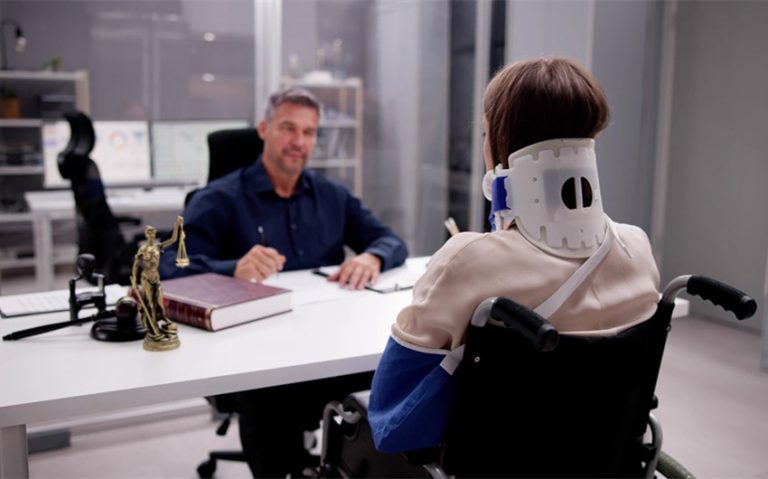
Because insurance companies often try to minimize payouts, injured victims benefit from working with an experienced personal injury attorney who understands the claims process.
Legal professionals help establish the full scope of losses, negotiate settlements, and, when necessary, take the personal injury case to trial.
For a closer look into how losses are compensated, this guide on compensatory damages in California personal injury cases explains the concept in more detail and shows how it applies in real-world claims.