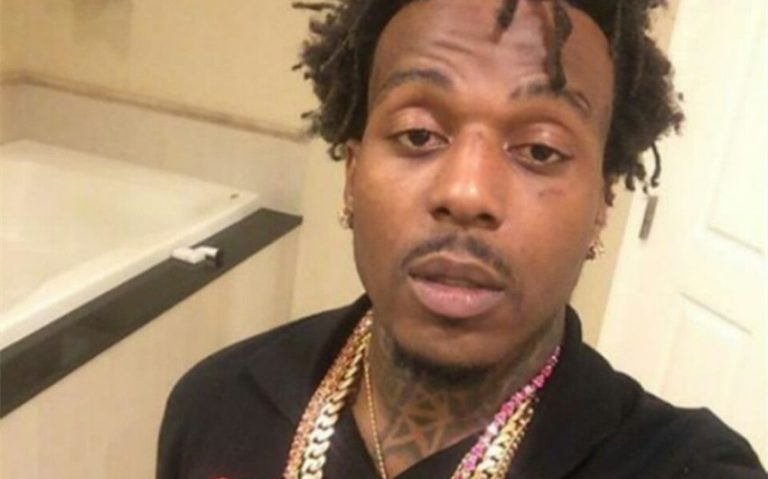
Aristos Petrou’s net worth is an increasingly searched topic, and it makes sense why. Better known by his stage name Ruby da Cherry, Petrou is one-half of the genre-defying rap duo $uicideboy$, a group that began as an underground phenomenon and grew into a cult empire.
What makes his financial story unique is that he didn’t climb to fame through traditional music industry channels. Instead, he built his fortune on raw authenticity, a DIY attitude, and the unwavering support of a fanbase that values emotional honesty over commercial polish. If you’ve ever wondered how a niche rapper from New Orleans could quietly build a multimillion-dollar empire, you’re about to find out.
Early Life and Career Before $uicideboy$
Aristos Norman Petrou was born on April 22, 1989, in New Orleans, Louisiana. Raised in a city known for its eclectic music culture, he was surrounded by rhythm from a young age. But unlike many Southern artists who gravitated toward traditional hip-hop or bounce music, Petrou was drawn to punk rock, heavy metal, and grunge. He played drums in local bands, embracing the aggression and chaos of underground genres. This foundation helped shape the noisy, emotionally charged style that would define his later work.
Before $uicideboy$ became his primary focus, Petrou explored various artistic directions, none of which offered long-term traction. He bounced between bands and creative outlets, unsure of how to carve a lasting path. That changed when he teamed up with his cousin, Scott Arceneaux Jr., also known as $crim. The two shared a deep frustration with their lives and the music industry. They were tired of empty trends and disposable fame—and they decided to do things their own way.
The Rise of $uicideboy$: Building a Brand from Nothing
In 2014, Aristos Petrou and Scott Arceneaux Jr. launched $uicideboy$, a project that would challenge the conventions of both hip-hop and the music business itself. Instead of chasing mainstream attention, they released raw, lo-fi tracks filled with themes of depression, addiction, and nihilism. Their music was unapologetically dark and brutally honest, tackling mental health issues with the same intensity as a punk band screaming into a basement microphone.
From the beginning, $uicideboy$ operated independently. They released their music for free on platforms like SoundCloud, Bandcamp, and YouTube, bypassing the need for a traditional label. This gave them full control over their content, image, and profits. By building a direct line of communication with fans, they cultivated a deeply loyal audience that didn’t care about radio play or Grammy nominations—they wanted authenticity, and $uicideboy$ delivered.
This grassroots approach started paying off quickly. Their early mixtapes, including Kill Yourself Part I–XV, generated millions of plays. By refusing to dilute their message for broader appeal, they created a brand that felt underground yet accessible. Every song, every artwork, every post fed into the mystique of $uicideboy$, and that mystique translated into revenue—first from streaming, then from merchandise and concert tickets.
Breaking into the Mainstream: Albums, Tours, and Merch Sales
What began as a SoundCloud project soon turned into a global movement. In 2018, $uicideboy$ released their first full-length studio album, I Want to Die in New Orleans, which debuted at No. 9 on the Billboard 200. This was a defining moment—not just artistically, but financially. The album’s success opened the door to larger tours, more extensive merchandise drops, and a stronger negotiation position with distributors and venues.
Live performance became one of their most lucrative income streams. The duo embarked on national and international tours, consistently selling out mid-size and large venues. Their live shows were known for their raw energy, mixing hip-hop performance with punk show chaos. Fans came for the music and stayed for the experience—and they were more than willing to pay for it. Ticket sales, meet-and-greets, and exclusive tour merchandise contributed significantly to Aristos Petrou’s growing wealth.
Speaking of merch, $uicideboy$ capitalized heavily on branding. Through their imprint G*59 Records, they released limited-edition apparel, accessories, and vinyl pressings that often sold out within hours. Unlike standard artist merch, their pieces felt like part of a subcultural uniform. The scarcity and quality of their releases made them collector’s items, generating both immediate income and long-term brand equity.
What makes this model so financially smart is its independence. By handling much of their production, promotion, and distribution in-house, Petrou and Arceneaux avoided the revenue splits that often shrink profits for mainstream artists. That DIY ethos allowed them to keep more of what they earned—and it showed.
Aristos Petrou’s Personal Ventures and Creative Side Projects
While most of Aristos Petrou’s income can be traced back to $uicideboy$, he hasn’t limited himself to just one musical identity. Under his Ruby da Cherry moniker, he’s released solo projects and experimental tracks that give him more creative freedom. These projects often complement the main group’s output, offering fans a deeper look into his evolving sound and personal narrative.
Collaborations with other artists—both from the underground and more mainstream spheres—have also broadened his musical footprint. These features often come with appearance fees or profit-sharing agreements, contributing additional income while reinforcing his brand’s visibility.
Visually, Petrou has played a significant role in defining the group’s aesthetic. From music videos to album art to promotional photography, he’s had a hand in shaping the dark, surreal look that’s become synonymous with $uicideboy$. His contributions here aren’t just artistic—they’re strategic. Every visual component adds to the group’s commercial identity, reinforcing the brand and driving sales across various platforms.
Aristos Petrou’s Net Worth: What the Estimates Reveal
So what is Aristos Petrou actually worth? While he and Arceneaux are notoriously private about their finances, public estimates place Petrou’s net worth in the range of $3 million to $5 million. This figure is based on a combination of streaming royalties, merchandise sales, touring income, and digital distribution.
Here’s a breakdown of how those earnings come together:
-
Streaming Revenue: $uicideboy$ has accumulated hundreds of millions of streams across Spotify, Apple Music, and YouTube. Even at modest per-stream rates, this translates to substantial passive income over time.
-
Merchandise: Their G*59 clothing drops are often priced at premium rates and sell out quickly. With high-profit margins and low overhead, this segment alone could generate six to seven figures annually.
-
Touring and Live Shows: Concerts and festival appearances often bring in tens of thousands of dollars per night, particularly when coupled with exclusive merch tables and VIP packages.
-
Record Sales: While the majority of fans consume music digitally, vinyl collectors and diehard fans continue to buy physical albums and deluxe editions—especially limited pressings and signed items.
-
Business Ownership: Through G*59 Records, Petrou not only earns from $uicideboy$ projects but also from other artists under the label’s umbrella, increasing his share of profits and reinforcing his long-term financial stability.
Despite the wealth, Petrou maintains a relatively low-key lifestyle. He doesn’t flaunt cars or luxury goods the way many in the industry do. Instead, he invests in his art, his brand, and the community that supports him. This focus has helped him stay grounded while continuing to grow his empire.
Featured Image Source: deezer.com