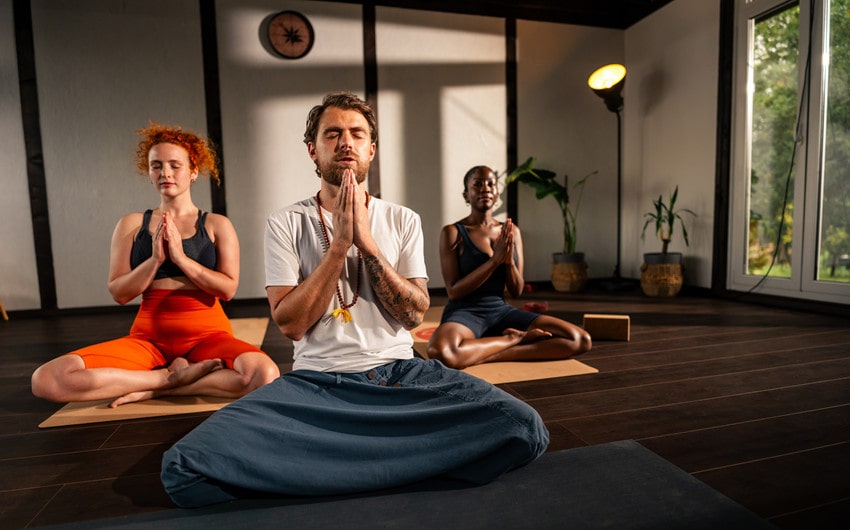
Breathwork is no longer a niche wellness practice. Today, it stands at the intersection of science, spirituality, and somatic healing, empowering people to access profound states of clarity, release emotional trauma, and regulate their nervous system—all through conscious breathing. As a result, demand for skilled, certified breathwork facilitators has grown exponentially.
If you’re looking to turn your passion for breathwork into a meaningful profession, obtaining a breathwork certification is the essential first step. This guide explains everything you need to know: from the benefits of formal training and core competencies to choosing the right program and building a thriving practice as a certified breathwork facilitator.
Why Breathwork Certification Matters
While breath is the most natural part of our existence, facilitating transformational breathwork sessions requires much more than teaching people to inhale and exhale. A certified facilitator must understand respiratory physiology, trauma-sensitive approaches, energetic dynamics, client safety, and integration processes.
Formal breathwork certification programs offer structured education that prepares you to safely lead both individuals and groups through breath journeys. Certification also builds credibility, signaling to clients, retreat centers, and wellness organizations that you’ve undergone rigorous training and adhere to ethical standards.
More importantly, certification isn’t just about professional validation—it’s about learning how to be present with intensity, guide people through emotional release, and hold sacred space for deep transformation. Without this foundational training, well-meaning facilitators risk doing more harm than good, especially when dealing with trauma, dissociation, or cathartic responses.
In short, if you want to guide others with skill, confidence, and integrity, formal breathwork training is non-negotiable.
What You’ll Learn in a Breathwork Facilitator Training
A high-quality breathwork facilitator training equips you with the tools, knowledge, and experience to lead powerful breath sessions. Whether you’re focused on conscious connected breathing, holotropic breathwork, rebirthing, or integrative approaches, your training should cover both the science and the art of facilitation.
Here’s what comprehensive programs typically include:
1. Breathwork Modalities & Techniques
You’ll learn to facilitate a range of breathing styles—circular breathing, conscious connected breathing, three-part breath, trauma-release breathwork, and rhythmic patterns drawn from traditions like pranayama and shamanic healing.
2. Anatomy and Physiology of Breath
Understanding the nervous system, vagus nerve, respiratory cycles, CO2 tolerance, and the physiological effects of different breathing techniques is essential. You’ll learn how to recognize signs of hyperventilation, dissociation, or emotional flooding—and how to respond appropriately.
3. Trauma-Informed Facilitation
Since breathwork often accesses deep emotional layers, a strong focus on trauma awareness is crucial. Programs teach how to support clients through emotional release, maintain safety, work with boundaries, and prevent re-traumatization.
4. Holding Space and Group Dynamics
You’ll develop skills in presence, intuitive listening, and leading groups. This includes setting intentions, using music and environment effectively, reading somatic cues, and offering post-session integration support.
5. Ethics, Boundaries, and Scope of Practice
Ethical training ensures you understand your role as a facilitator, know when to refer clients to mental health professionals, and maintain professional standards. Consent, confidentiality, and scope of practice are emphasized throughout.
Some advanced breathwork training certification paths also include coaching techniques, energy work, inner child facilitation, or somatic therapy principles.
Choosing the Right Breathwork Certification Program
The market is saturated with options—from weekend intensives to year-long academies. To find a program that aligns with your goals and values, ask the following:
Is the program trauma-informed and science-based?
Avoid programs that emphasize spiritual drama without a strong foundation in psychology and nervous system safety. Look for programs that combine evidence-based content with spiritual depth.
Is the faculty experienced and actively practicing?
Instructors should be seasoned facilitators, not just theoreticians. Their ability to demonstrate grounded presence is as important as the content they teach.
What is the format and duration?
Some programs offer online-only certification, while others include in-person retreats, practice groups, and mentorship. Decide whether you need flexibility or prefer immersive learning.
What post-certification support is offered?
Leading breathwork sessions after certification can be intimidating. Choose programs that offer post-training mentorship, business support, or alumni communities.
How credible is the certification?
Though breathwork isn’t legally regulated in most countries, some certifications are recognized within the wellness industry, making it easier to collaborate with studios, retreats, or health clinics.
An example of a reputable training is InnerCamp’s breathwork certification program, which blends modern science with ancient practices in a trauma-sensitive, globally accessible format.
Online vs. In-Person Breathwork Training
One of the biggest questions prospective facilitators face is whether to train online or attend in-person intensives.
Online certification offers flexibility, affordability, and accessibility—especially important if you have work commitments or live in a remote area. High-quality online programs include live Zoom sessions, video modules, practice partners, and online community spaces.
However, breathwork is a deeply experiential practice, and in-person training allows for deeper immersion. You receive real-time feedback, experience powerful breath journeys in community, and witness how experienced facilitators handle live dynamics. Many find in-person settings accelerate personal healing and embodiment.
If possible, hybrid models that combine both formats provide the best of both worlds.
Getting Certified: What to Expect from the Process
The road to becoming a certified facilitator varies by program, but typically includes the following steps:
- Foundational coursework: Learning the science, ethics, and history of breathwork.
- Experiential practice: Participating in multiple guided sessions, both as a breather and a facilitator-in-training.
- Mentored sessions: Practicing with peers and receiving feedback from trainers or supervisors.
- Case studies: Documenting your work with clients or groups to demonstrate competence.
- Final assessment: This may include a written exam, practical demonstration, or reflective journaling.
Once completed, you’ll receive a breathwork certification that enables you to practice legally in most regions, build a business, and begin facilitating clients with confidence.
Building a Career as a Breathwork Facilitator
Certification is just the beginning. Building a thriving breathwork practice requires clarity, marketing skills, and alignment with your authentic voice.
- Define your niche: Will you serve trauma survivors? Corporate teams? Women’s healing circles? Athletes? Narrowing your focus helps you speak directly to your ideal clients.
- Create a signature offering: Develop a breathwork journey, workshop, or online course that reflects your unique approach. This helps you stand out and generate repeat clients.
- Partner with wellness spaces: Collaborate with yoga studios, therapy centers, or retreat venues to expand your reach and credibility.
- Build an online presence: Use Instagram, email lists, or podcast interviews to educate your audience and share your story. Breathwork is experiential—use testimonials and guided meditations to invite people in.
- Keep growing: Invest in ongoing training—especially in trauma work, nervous system regulation, or somatic coaching—to enhance your capacity and safety as a facilitator.
Many certified facilitators also integrate breathwork with other modalities like energy healing, cacao ceremonies, somatic therapy, or tantra to offer holistic programs that serve the whole person.
Final Reflections: A Path of Service and Embodiment
Becoming a breathwork facilitator is more than a career—it’s a calling. Each session you offer has the potential to open someone’s heart, shift their nervous system, or free them from years of emotional suppression. But to hold that power with grace, you must be trained, embodied, and present.
Through structured breathwork certification programs, you gain not only the technical tools, but the inner transformation necessary to guide others with safety and love.
The breath is a bridge—to healing, to presence, to the truth beneath the surface. And now more than ever, the world needs people who can help others cross that bridge.