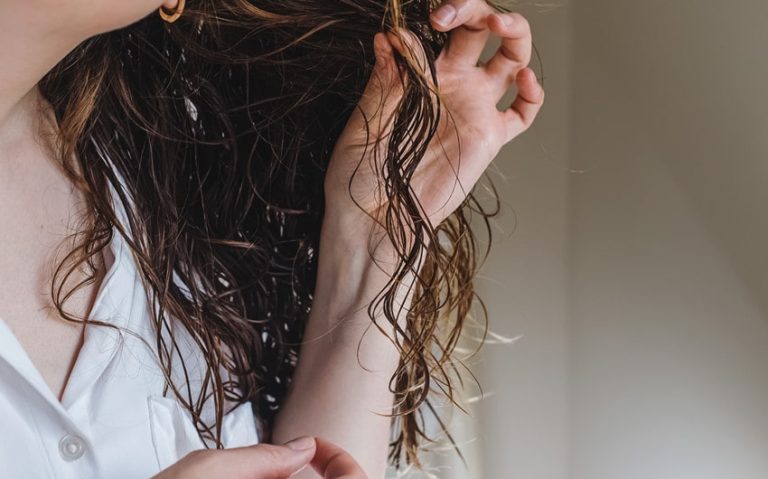
Swimming in pools or oceans can be refreshing and fun, but your hair often pays the price. Chlorine in pools is a harsh chemical designed to disinfect, but it can also strip natural oils from your hair, leading to dryness, brittleness, and discoloration. Saltwater, while natural, isn’t much better—its dehydrating properties can leave hair parched, frizzy, and more susceptible to breakage. These effects are even more pronounced for people with color-treated or chemically processed hair.
Add in UV exposure from the sun, and the damage compounds quickly. For individuals relying on hair toppers in Toronto to enhance their look or manage hair loss, it’s crucial to protect both natural hair and the toppers from harsh pool and sea conditions.
Why Chlorine and Saltwater Are So Damaging
Chlorine is a powerful disinfectant, but it also acts like a bleach on your hair. It penetrates the hair shaft, breaking down the cuticle—the protective layer—leading to split ends and a rough texture. Saltwater, on the other hand, draws moisture out of your hair through osmosis. This leaves it feeling stiff and straw-like, especially if you spend extended time in the sun afterward.
For those who use hair toppers in Toronto, these substances can deteriorate both synthetic and human hair pieces. Synthetic toppers can lose their texture, while human hair toppers may become dry and tangled, requiring deep conditioning or even replacement over time.
Preventing Damage Before It Happens
Taking steps to protect your hair before hitting the pool or beach is your best defense. Here are effective strategies:
• Pre-Wet Your Hair: Rinsing your hair with fresh water before swimming reduces how much chlorine or saltwater it absorbs. Hair is like a sponge—if it’s already wet, it’s less likely to soak up damaging substances.
• Use a Leave-In Conditioner: Apply a silicone-based or moisturizing leave-in conditioner to create a protective barrier. This is especially helpful for treated or delicate hair.
• Wear a Swim Cap: While not the most stylish option, a high-quality swim cap offers physical protection from water exposure and UV damage.
• Braid Your Hair: Keeping hair contained in a braid or bun minimizes tangling and direct exposure to water.
If you wear a hair topper, consider using an older or water-safe version when swimming. Some waterproof products are designed for light water exposure, but it’s best to consult with your hair care provider for specific advice tailored to your product.
Repairing the Damage After Exposure
Despite best efforts, exposure sometimes happens. Repairing the damage quickly is key to maintaining healthy hair:
• Clarifying Shampoo: Use a clarifying shampoo to remove chlorine or salt residue. However, don’t overuse these as they can strip natural oils. Once a week is usually enough.
• Deep Conditioning Treatments: Replenish lost moisture with weekly deep conditioning treatments or hair masks containing ingredients like argan oil, shea butter, or keratin.
• Protein Rebuilding: Overexposure can lead to protein loss in hair. Use protein-rich treatments sparingly to restore strength and elasticity.
• Trim Regularly: Getting rid of split or damaged ends keeps your hair looking healthy and prevents further breakage.
For people who rely on hair toppers in Toronto, it’s just as important to maintain your topper with similar care. Use gentle, sulfate-free shampoos, detangle with a wide-tooth comb, and allow it to air dry whenever possible. Heat styling should be limited to preserve the longevity of the piece.
Conclusion
Saltwater and chlorine are often part of a great summer, but they can leave your hair looking and feeling anything but fabulous. With the right preventive measures and aftercare, you can keep your natural hair and hair toppers Toronto healthy and vibrant all season long. Taking these steps doesn’t just protect your investment—it helps you feel confident no matter where the summer takes you.