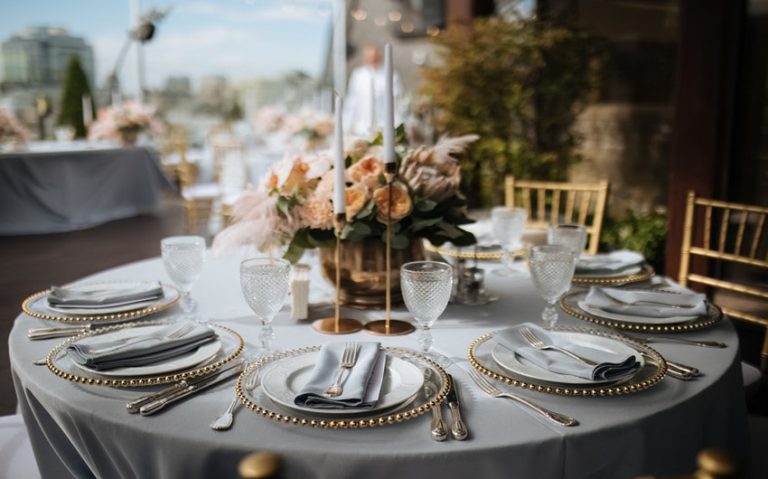
The price of a wedding often comes down to the place you choose to host it. A venue can swallow half your budget before food, music, or flowers are even discussed. Couples often start touring spaces with excitement, then realize how quickly numbers climb once deposits, minimums, and add-ons appear. If you want to keep control of costs without losing the setting you imagine, the search for your wedding venue needs a clear, grounded approach.
Location and First Steps
Start with geography. Narrowing your search to a certain area keeps the process more manageable and helps with cost predictability. If you’re based in North Carolina, for example, researching wedding venues in Cary gives you a concentrated list of choices that vary in size, price, and style.
Local venues also reduce travel expenses for your guests, which can matter if you’re trying to make the event accessible for everyone. Thinking about location early also helps rule out places that would add hidden costs like transportation or overnight lodging.
Guest Count and Guest List
The number of people you invite has a direct impact on what venues are available. A large guest count demands more space and a bigger catering bill. Some couples start with a dream venue in mind, then adjust the guest list to make the numbers work.
For instance, a ballroom that accommodates 120 people may be affordable at your price point, while bumping the guest count to 180 might push you toward a higher tier. Be realistic about how many people you truly want present. Cutting even a small portion of the list can free up budget for a better location.
Wedding Date and Season
Timing plays a bigger role in venue pricing than many couples expect. A Saturday in June usually costs more than a Friday in February. Peak season months bring higher rental rates because demand is high, while off-season dates often come with reduced pricing.
The weather also shapes the budget. An outdoor wedding carries more unpredictability, from summer heat to sudden storms, which means you may need backup options. Extra rentals, such as canopies or heaters for tent receptions, can drive up the cost quickly. If you’d rather avoid that layer of expense and planning, an indoor wedding provides stability without the need for emergency equipment.
Venue Types and Style
Once you start touring venues, the differences between spaces become clear; some are simple and affordable, others polished but expensive. Classic banquet halls offer predictable packages and built-in staff. A community center might be budget-friendly but require more effort to dress up. Renting a private estate or barn can provide atmosphere, but it often comes with added logistics.
Some couples prefer a party venue with a casual feel, while others focus on aligning the space with their modern wedding style. That style may also drive related expenses: decor, lighting, flowers, or custom extras. You’ll want to factor in how elements like photo booths, dessert tables, specialty lighting, or elaborate wedding cakes layer onto the venue cost.
All-Inclusive vs. A la Carte
Another major choice is between an all-inclusive venue and piecing together individual vendors. With all-inclusive, you often get catering, furniture, linens, and sometimes floral design bundled into one contract. That can simplify budgeting and reduce the chance of surprise fees.
If you prefer flexibility, renting a bare space and hiring your own vendors lets you customize every detail, but it often costs more once you add everything up. Whatever you choose, schedule a walkthrough. Seeing the space in person helps you gauge what’s included and what you’ll still need to arrange.

Planning Process and Support
A venue is only part of the wedding picture. The way services and support fit around it can make the day smooth or stressful.
- Wedding planners: Can organize the schedule, coordinate vendors, and prevent costly mistakes.
- Rehearsal dinners and ceremonies: Some venues can host both the rehearsal and the wedding ceremony, which saves money and travel.
- Venue logistics for vendors: The way a space supports professionals can affect both cost and smoothness. Wedding photographers often need flexible lighting and room to move. A floral design team may require early access to set up. Caterers benefit from a prep kitchen or at least a loading area.
If the space makes life easier for the people running your day, it usually makes the whole event easier for you, too.
Takeaway Tip
When you meet with venue managers, ask lots of questions. What’s included in the fee? What restrictions apply? Are you required to use preferred vendors? Answers to those questions lead to an informed decision about value.
No matter what you choose, the venue should support the kind of wedding experience you want without pushing you into debt. The best decision is the one that makes sense for both your wallet and your plans.